How Modern Leak Detection Finds Trouble Before It Spreads

There was a time when finding a hidden leak meant opening walls and floors until the water showed itself, an expensive, destructive hunt that often did more damage than the leak. That era is over. Modern leak detection pinpoints a concealed leak to a small area without demolition, using tools that listen, see heat, and measure pressure. For Salt Lake City homeowners facing a mystery leak, understanding how this technology works makes the service less intimidating and the decision to call easier. This article explains the methods, when each is used, and what to expect from a professional visit.

Why Precision Matters So Much

A hidden leak is a problem of location as much as volume. The water might be escaping in one small spot, but it spreads through framing, insulation, and drywall, so the damp patch you see is rarely above the actual leak. Opening the wall where the stain appears often misses the source entirely. That is the whole value of modern leak detection: it finds the exact point the water comes from, so the repair is targeted and small. For a Salt Lake City home with finished basements, tile, and hardwood, the difference between a precise fix and an exploratory tear-out is substantial, both in cost and in disruption.

Acoustic Listening Equipment

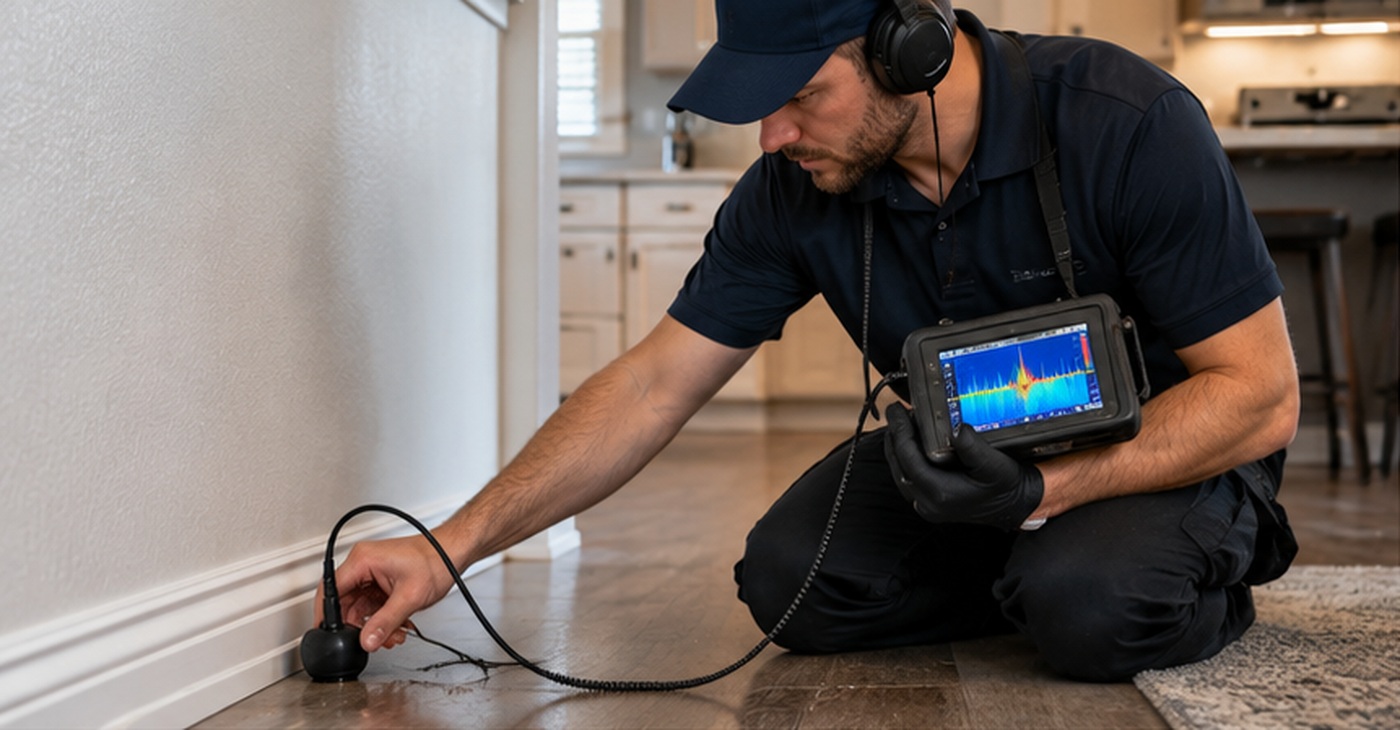
Water escaping a pressurized pipe makes a sound, a hiss or a drumming where it strikes surrounding material, and that sound carries through concrete, tile, and wall cavities. Acoustic leak detection uses sensitive microphones and ground sensors to hear it, with the plumber moving across the area to find where the sound is loudest. The method is especially useful for slab leaks and buried supply lines, where there is nothing to see from the surface. In the hands of a trained technician, acoustic equipment can narrow a leak beneath a concrete floor to within a small radius, which is remarkable given that nothing is visible.

Thermal Imaging and Pressure Testing

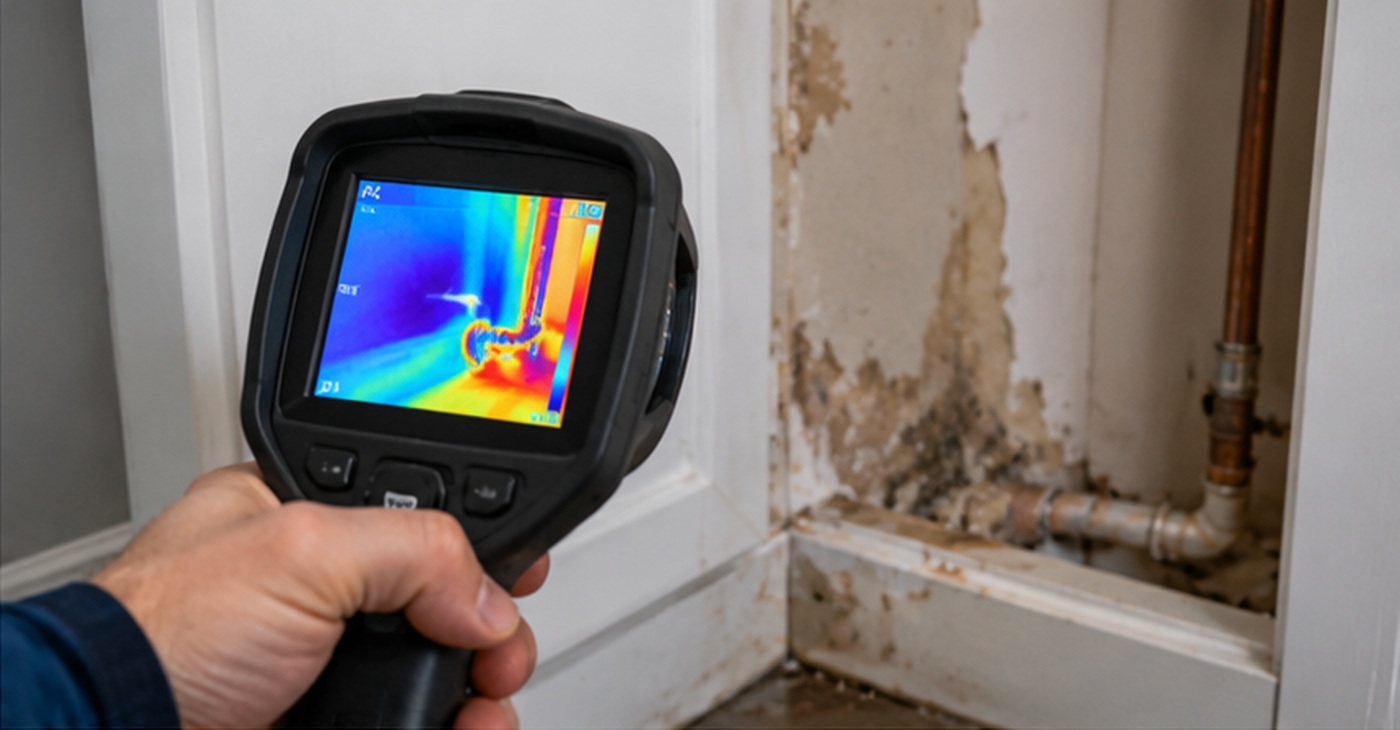
Thermal imaging reads surface temperature, and water changes the temperature of whatever it touches. A hot-water line leaking behind a wall warms the drywall; a cold-water leak cools it. A thermal camera turns that difference into a visible image, mapping where water has spread so the plumber can trace it back toward the source. Pressure testing works differently, isolating sections of the plumbing and watching whether a closed line holds pressure or slowly loses it, which identifies the failing line. Combined with acoustic listening, these tools let leak detection confirm a source from more than one angle before anyone lifts a tool to repair it.

  • Acoustic listening for slab leaks and buried supply lines
  • Thermal imaging to map where hot or cold water has spread
  • Pressure testing to isolate which line is losing water
  • In-pipe cameras to inspect a line from the inside
  • Meter checks to confirm a leak exists before the search begins

Water escaping a pipe makes a sound you can hear through concrete

A pressurized pipe leak produces a hiss or drumming that travels through slab, tile, and wall cavities. Acoustic detection equipment picks it up, letting a plumber locate a leak beneath a Salt Lake City floor to within a small radius without seeing any water at all.

The stain is rarely right above the leak

Water spreads through framing and insulation before it surfaces, so the damp patch on a ceiling or wall usually sits away from the actual leak. This is why opening the wall at the stain so often misses, and why precise leak detection saves homeowners from unnecessary demolition.

Thermal cameras see leaks as temperature

A hot-water leak warms the material around it and a cold-water leak cools it, and a thermal camera turns that difference into a visible image. Mapping the temperature plume helps a plumber trace water back toward its source behind a Salt Lake City wall without cutting a single hole.

How the Tools Work Together

No single tool is right for every leak, and the skill is in combining them. A plumber usually starts broad, confirming a leak exists with a meter check and narrowing the area with pressure testing. Then the fine work begins, acoustic equipment to listen for the escape point and thermal imaging to confirm the spread. Cross-checking the results raises confidence that the marked spot is the real source, not a place the water happened to pool. This layered approach is why modern leak detection is so much more accurate than the old open-and-look method, and why Salt Lake City homeowners end up with one small repair instead of several opened walls.

Slab Leaks and Older Salt Lake City Homes

Slab leaks deserve special mention because they are both common and hard to find in Utah. When a supply pipe beneath a concrete foundation fails, the water has no visible path; it moves through the soil and the slab, sometimes surfacing far from the break. Signs include a warm spot on the floor, a foundation crack, or a bill that climbs for no clear reason. Acoustic detection is the main tool here, since there is nothing to see. For the many Salt Lake City homes built on slabs, having a leak located precisely before any concrete is touched is the difference between a contained repair and a torn-up floor.

What to Expect From a Professional Visit

A leak detection visit is methodical rather than dramatic. The plumber confirms the leak, asks about the signs you have noticed, and surveys the likely areas. Then the tools come out, listening, imaging, and testing until the source is marked. A good technician explains what each reading means and shows you the evidence, so you understand the conclusion rather than taking it on faith. Homeowners who want to see how a professional describes the process and the repair options can read the detail at westernheatingair.com/plumbing/leak-detection before they book, which takes some of the uncertainty out of the call.

Detection and Repair as Two Steps

It helps to think of leak detection and repair as separate tasks with separate costs. Detection locates the problem; repair fixes it. Once the source is pinpointed, the repair is usually smaller than feared, a joint resealed, a pipe section replaced, or a slab leak reached through a single targeted opening. Because the location is known precisely, the plumber opens only what is needed. A fair shop gives a free written estimate for the repair after the detection is done, explaining the options and their trade-offs so a Salt Lake City homeowner can decide with full information rather than under pressure.

Why Acting Early Pays

The case for prompt leak detection is simple arithmetic. A leak found early is a small repair and a few months of slightly higher bills. The same leak ignored becomes spreading water damage, mold remediation, and sometimes structural work, on top of all the water wasted while it ran. Modern detection has removed the main reason people used to delay, the fear of a destructive search, so there is little reason left to wait once the signs appear. For Salt Lake City homes, where hard water and slab foundations make hidden leaks a recurring risk, that early call is one of the better decisions a homeowner can make.

Why Guesswork Repairs Cost More

Before precise tools existed, finding a concealed leak meant opening the wall nearest the stain and hoping. Because water travels before it surfaces, that guess was often wrong, so the first hole found dry framing and a second had to follow. Each opening then needed patching, texturing, and painting, which is why the old approach so often cost more in finish repair than in plumbing. For a Salt Lake City home with tile, hardwood, or a finished basement, that destruction was the worst part of a leak.

Precise location flips the equation. When the source is marked to within a small area, the plumber opens one spot, makes the fix, and the homeowner restores a single, small patch. The tools cost something to use, but they routinely save more than they cost by sparing the home a series of exploratory openings. Understanding this is why many Salt Lake City homeowners now ask for professional location before anyone picks up a saw.

Finding Leaks Outside the House

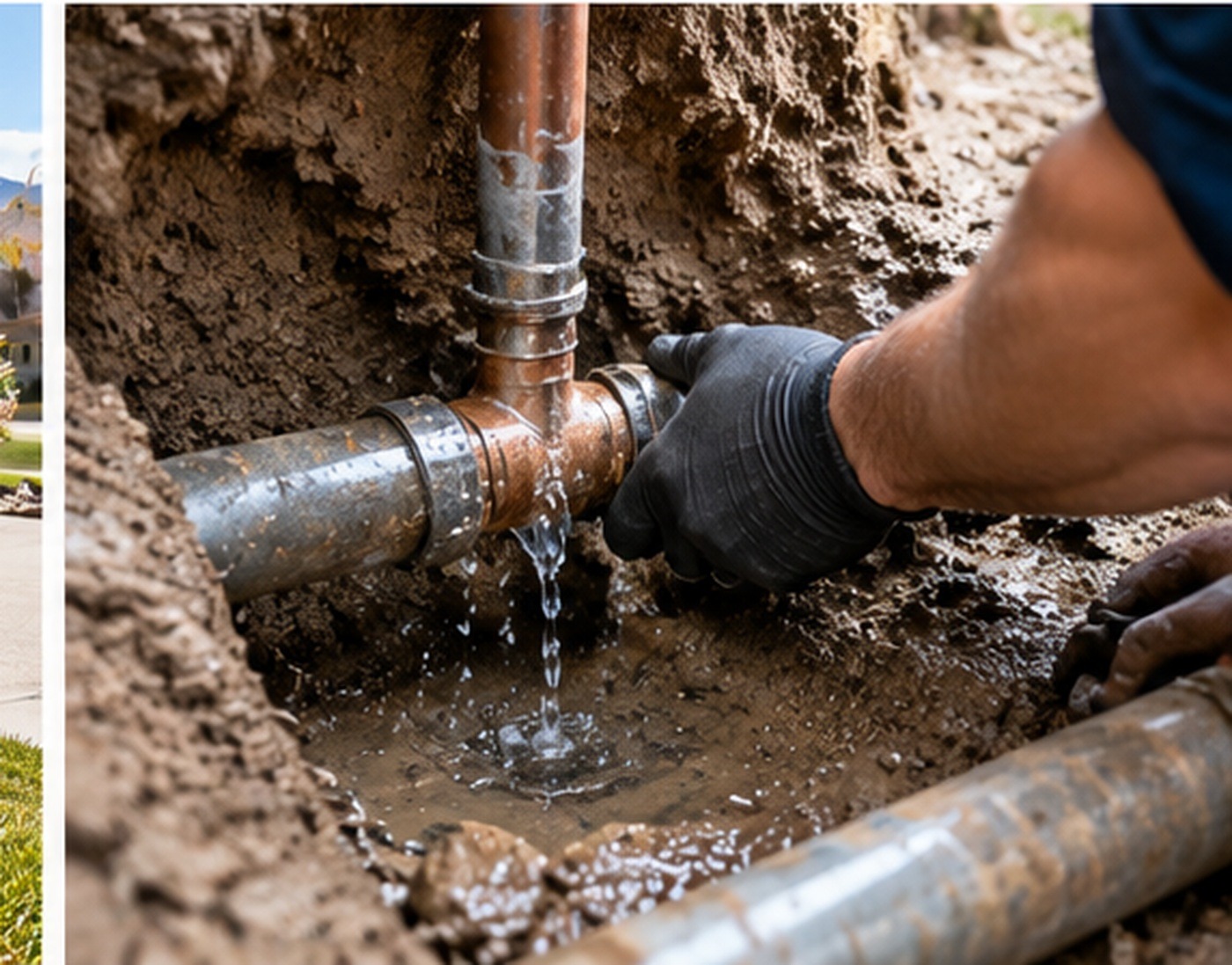
Not every leak is behind a wall. The supply line that runs from the street to the house can fail underground, losing water into the yard with little sign beyond a soggy patch or a climbing bill. Irrigation systems crack over a hard Utah winter and leak when the system charges in spring. Locating these buried leaks uses the same listening equipment, with ground sensors that trace the sound of water escaping under the soil.

Pinpointing an outdoor leak before digging is just as valuable as locating one indoors. A precise mark means a small, targeted excavation rather than trenching the whole yard to find the break. For Salt Lake City homes with established landscaping and sprinkler systems, that precision protects the yard the family has invested in, and it turns a buried-line failure from a dreaded project into a contained repair.

Technology Keeps Getting Better

The equipment behind modern leak finding continues to improve. Acoustic sensors are more sensitive and better at filtering out household noise than earlier models. Thermal cameras read finer temperature differences, catching leaks that once stayed hidden. Flow-sensing water monitors now mount at the main line and alert a homeowner's phone when flow looks abnormal, which can flag a leak the moment it starts rather than months later.

These advances matter most in a place like the Salt Lake Valley, where hard water and slab foundations make concealed leaks a recurring concern. A home outfitted with a flow monitor and served by a plumber who carries current detection gear has a strong early-warning system. For a Salt Lake City homeowner, keeping an eye on this technology is a practical way to shorten the gap between a leak beginning and a repair ending it.

Choosing a Company for the Job

Finding a hidden leak well takes both the right equipment and the training to read it, so the company matters as much as the tools. Look for a licensed Utah plumber whose technicians regularly use acoustic and thermal gear and can explain their findings clearly. Background-checked crews, insurance, and a record of serving the valley are all signs the company will treat both the problem and the home with care.

Ask how the company prices the work, whether it provides a written estimate once the source is confirmed, and whether it handles the repair as well as the location. A shop that does both can carry a Salt Lake City homeowner from the first worrying sign through to a finished, tested fix without handing the job off midway. That continuity is worth looking for when a mystery leak has a family on edge.

Questions to Ask Before the Visit

A short phone conversation before a leak visit sets the right expectations. Ask whether the company uses acoustic and thermal equipment, whether the technician who comes is trained to read it, and roughly how a visit proceeds. Ask how the company charges for location work and whether that cost rolls into the repair if you proceed. Clear answers to these questions mark a company that does this work regularly.

It is also fair to ask about availability, since a leak getting worse by the hour cannot always wait for a slot next week. A Salt Lake City company with around-the-clock scheduling can respond when a situation is urgent, and knowing that before you need it makes the choice of who to call an easy one when the water bill or a damp wall first raises the alarm.

The technology has removed the old fear of a destructive search, and that changes the calculation for every homeowner. Finding a leak precisely means fixing it small, protecting the finishes and the structure a family has invested in. Western Heating, Air and Plumbing has served Utah homes since 1995, carrying current acoustic and thermal equipment and the training to read it, with crews available day and night for the leaks that cannot wait. When a bill climbs or a wall turns damp and the source is a mystery, a call to (385) 644-6985 brings a technician who can locate the trouble and show you exactly what they found.

Technology has turned leak finding from a gamble into a precise service. Acoustic listening, thermal imaging, and pressure testing together locate a hidden leak to a small area without demolition, so the repair stays small and the home stays intact. Western Heating, Air & Plumbing serves Salt Lake City and the valley around the clock, bringing this equipment and the training to use it, and the team will show a homeowner exactly what it found before fixing it. That is leak detection working the way it should, quietly solving the problem before it spreads.
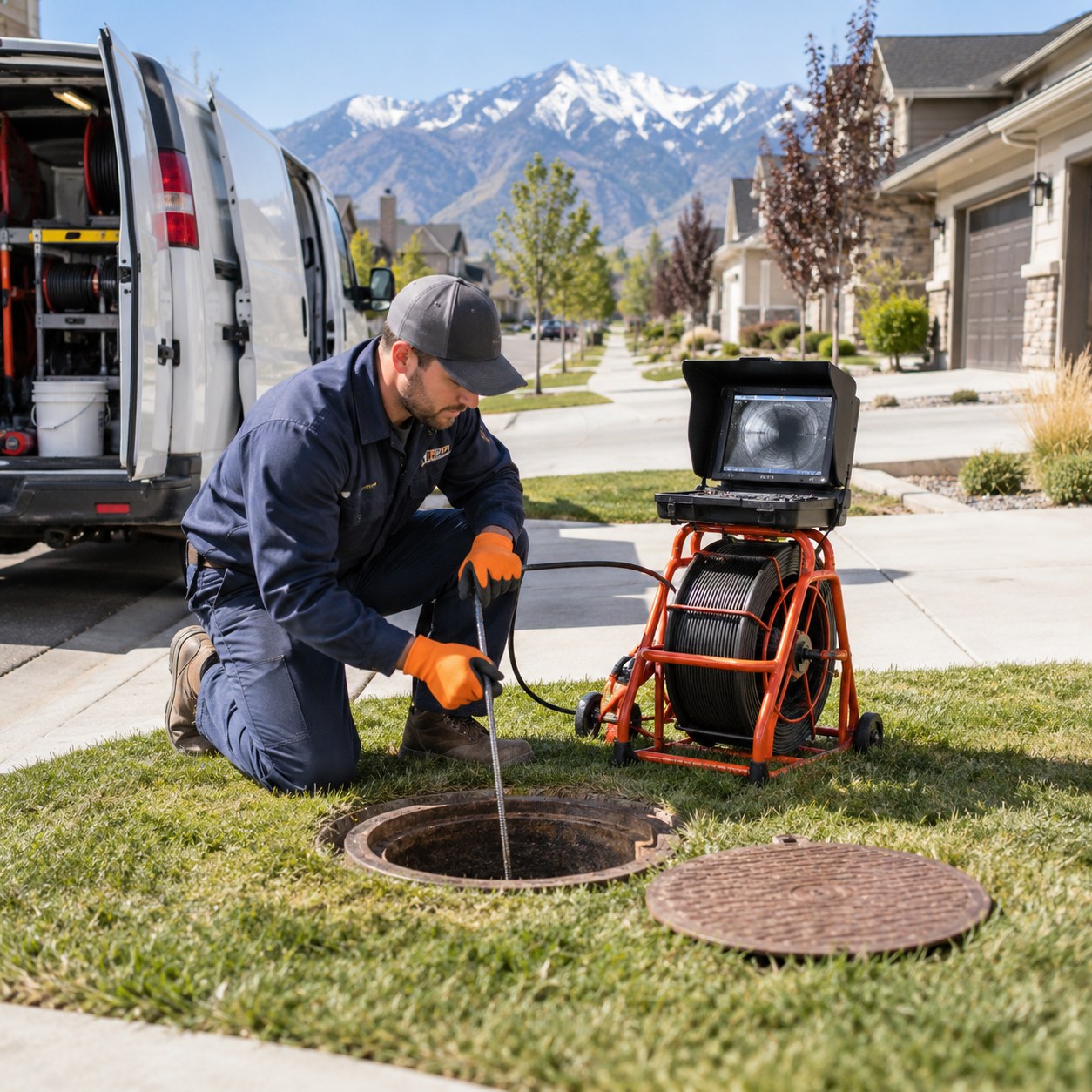
No. Professional leak detection is designed to locate the leak without tearing the home apart. Acoustic listening, thermal imaging, and pressure testing pinpoint the source first, so the repair opens only the spot where the leak actually is rather than exploring walls, floors, or the yard hopefully. That precision protects the home and lowers the repair cost.

Cost depends on the leak's location and how much work the detection requires, so a firm number comes after the technician sees the situation rather than over the phone. Western presents upfront written pricing before any work begins, so you approve the cost in advance. Finding the leak early almost always costs far less than the water damage a hidden leak causes.

Usually, yes. A small leak found early is a minor repair and a modest bill, while the same leak left to spread causes water damage, mold, and sometimes structural work. Precise detection also prevents guesswork repairs, so you fix the real source once. For hidden leaks, finding the exact point first saves money overall.